Brewing for Real Life
Brewing Coffee for a Group Without Losing Consistency
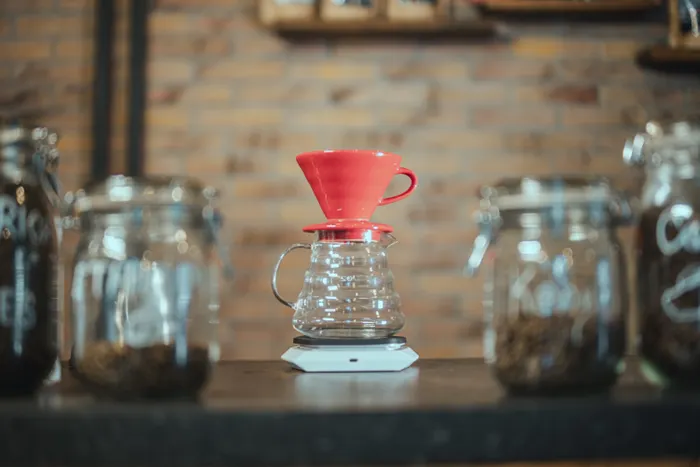
Brewing for several people introduces more than a larger dose. Grinder capacity, filter depth, water distribution, carafe heat retention, serving time, and different preferences all become visible. The most reliable plan uses equipment within its intended batch range and prepares a few measured batches rather than forcing one overloaded brew.
Ask what guests are likely to drink and when. A meal with six coffee drinkers may need less immediate volume than an open house where cups are refilled over two hours. Offer one dependable regular coffee and a clearly labeled decaf option when needed rather than several complicated methods that cannot be served together.
Check brewer and grinder capacity in advance. Do not exceed a machine's water line, basket dose, carafe capacity, or duty cycle. A filter packed too deeply can overflow, while a grinder run continuously beyond its design can overheat. When the needed amount exceeds capacity, calculate two or more identical batches and write the dose and water for each.
Scale the ratio by weight, but recognize that grind may need adjustment for a larger batch. A deeper coffee bed creates more resistance in drip or pour-over brewing, so the setting used for one mug can drain too slowly when simply multiplied. Test the actual group batch before the event. Grind somewhat coarser if flow stalls or flavor becomes harsh, then record the successful recipe.
Prepare the service area before brewing. Set out stable cups, milk or alternatives under appropriate temperature control, sweeteners, spoons, napkins, and a place for used items. Keep hot carafes away from counter edges and cords out of traffic. Clearly distinguish regular and decaf vessels without relying on subtle color differences.
Time batches so coffee is served fresh without creating a hot-water rush. An insulated carafe maintains temperature better than leaving coffee on a hot plate for a long period. Preheat the carafe with hot water, discard it safely, and brew or transfer only when the vessel is designed for that use. Never seal a container that is not intended for hot beverages.
For manual brewing, consistency may improve by using an immersion method or several matching drippers rather than one enormous pour-over. Measure each setup separately and keep pouring sequences simple. If only one brewer is available, finish and decant the first batch before beginning the next, labeling carafes by time.
Clean as the event progresses. Empty cooled grounds, rinse baskets, and prevent residue from one batch affecting the next. Do not reuse a saturated paper filter or add fresh grounds over spent ones. Keep a small written checklist so water, dose, and decaf labeling are not missed during conversation.
Afterward, note actual consumption and timing. The next gathering may need fewer batches or a different serving vessel. Group brewing succeeds when the host treats capacity and workflow as part of the recipe, allowing guests to receive balanced coffee without unsafe improvisation or frantic last-minute measurement.
Offer hot water separately so guests can adjust a concentrated cup without changing the entire batch. Keep additions in suitable serving containers and explain which carafe holds which coffee. A simple label with brew time also helps the host serve older coffee first. These small service details protect the carefully measured recipe after it leaves the brewer.