Coffee Selection
Brewing Better Decaf Coffee at Home
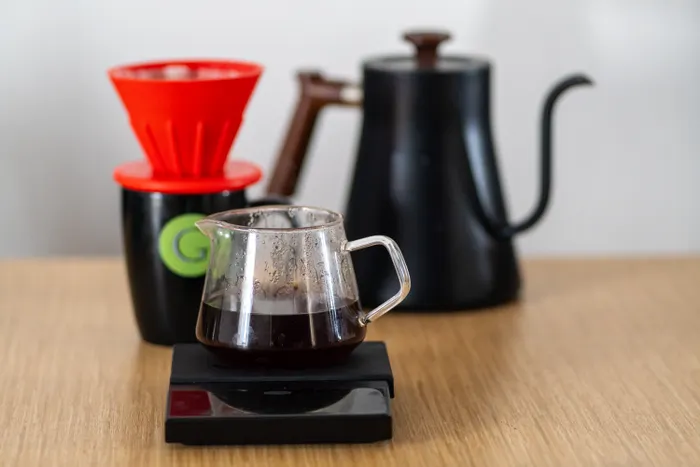
Decaffeinated coffee is often blamed for weak or flat flavor before the brewing recipe is examined. Decaf beans have undergone an additional processing step and can behave differently in the grinder and brewer, but they still respond to fresh storage, measured ratios, suitable water, and controlled extraction.
Choose decaf by the same flavor criteria used for other coffee. Read the roast description and tasting notes, decide whether a brighter or deeper profile is preferred, and buy an amount that fits consumption. Decaffeination method may be listed, but it does not alone predict whether someone will enjoy the cup. Roasting and brewing remain major influences.
Keep health expectations accurate. Decaf is not necessarily completely caffeine-free, and the amount varies. Anyone limiting caffeine for a medical reason, pregnancy, medication interaction, or another health concern should seek guidance from a qualified healthcare professional rather than relying on a general brewing article or package assumption.
Start with the normal method ratio, then adjust by taste. Decaf beans can be more brittle and may create additional fine particles at a grinder setting used for another coffee. If a pour-over or drip batch drains slowly and tastes harsh, grind coarser. If it races through and tastes sour or thin, grind finer. Record a separate decaf setting instead of switching back and forth from memory.
Use clean-tasting water and adequate heat. A darker decaf may extract readily and benefit from modestly cooler water, while a lighter roast may need more heat or contact. Make one change at a time. Increasing the dose can strengthen a balanced cup, but it will not correct uneven extraction or stale residue.
Avoid cross-contamination when regular and decaf must remain distinct. Purge retained grounds from a grinder or use a separate grinder if the distinction is important. Clean shared scoops, dosing cups, and filter baskets. Label carafes clearly when serving others. Because home grinders retain varying amounts, the setup cannot promise zero carryover without validated controls.
Store decaf in its own opaque, tightly closed container. If it is used slowly, buy smaller bags or freeze sealed portions using a one-thaw routine. Do not leave it open because it is considered a secondary option; aging coffee becomes muted regardless of caffeine status.
Try decaf in immersion methods when percolation is difficult, since steep time can be controlled without relying on drawdown. For espresso, expect a separate grind and dose adjustment within basket and machine guidance. Milk drinks may pair well with a roast that retains enough body after dilution.
Better decaf comes from treating it as its own coffee. Give it a dedicated recipe, clean handling, and honest sensory evaluation. The goal is not to make it indistinguishable from another bag, but to brew its selected flavor profile with balance and consistency.
Compare decaf and regular recipes only when the comparison serves a purpose. Use similar roast styles and brew strengths, then taste without expecting identical flavor. The exercise may reveal that decaf needs a distinct grind rather than a larger dose. Store both recipes clearly so a tired morning brewer does not apply the wrong setting or carafe label.