Brewing Methods
French Press Coffee Without Excess Sludge or Bitterness
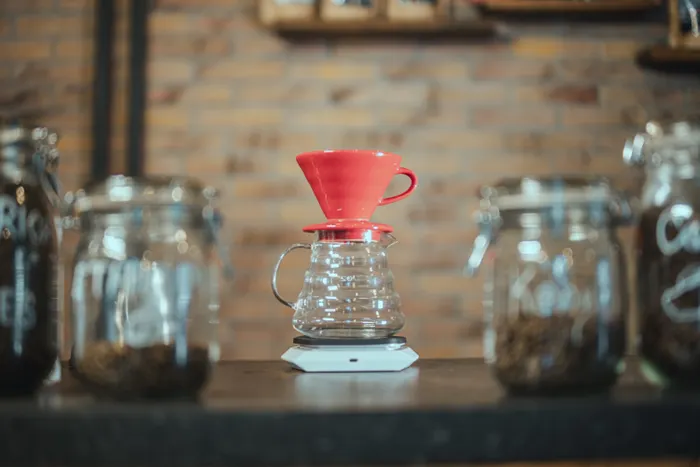
A French press steeps coffee and water together before a mesh screen separates the liquid from most grounds. The method is forgiving because pouring does not control flow through a bed, but it still benefits from measured ratios, a suitable grind, and gentle handling. Sludge and harshness are not unavoidable features.
Preheat the clean press with hot water, then discard it. Add a measured dose of coffee at a medium-coarse starting grind. Extremely coarse pieces can produce a weak, uneven brew, while very fine particles pass through the mesh and continue extracting in the cup. Grinder labels vary, so use texture only as a first estimate and let taste guide changes.
Pour the planned amount of hot water evenly over the grounds. Stir or swirl gently only enough to wet dry pockets, then place the lid on without pressing the screen down. Steep for a consistent period; about four minutes is a common starting point, but coffee, grind, temperature, and preference may justify a different time. Record what was actually used rather than treating the timer as a guarantee.
At the end of steeping, break the floating crust gently if the recipe calls for it and allow loose particles to settle. Press the plunger slowly, keeping the unit stable with the other hand away from hot surfaces. Stop if resistance becomes unusually strong. Forcing a blocked screen can send hot coffee out of the vessel or damage the equipment. A coarser grind or cleaner filter may solve the problem next time.
Pour all brewed coffee into cups or a separate carafe soon after pressing. Leaving it above the grounds continues contact and can intensify bitterness or dryness. Decanting also allows fine sediment to settle in the serving vessel. Pour the final small amount gently and leave the heaviest sludge behind if a cleaner cup is preferred.
If the coffee tastes sour or hollow, grind somewhat finer, extend the steep slightly, or use hotter water while changing only one variable. If it tastes harsh, try a coarser grind, shorter contact, or modestly cooler water. Excess sediment calls for a more consistent grind, an intact mesh, calmer pouring, and careful decanting rather than simply shortening the brew.
Clean the press immediately after it cools enough to handle. Grounds trapped around mesh layers become rancid and restrict movement. Disassemble only as the manufacturer directs, note the order of filter components, wash them thoroughly, and let them dry before reassembly. Dispose of grounds without sending a large mass down the sink.
The French press works best as a controlled immersion brewer. Measured ingredients, complete wetting, unforced plunging, prompt decanting, and a clean screen produce a full-bodied cup while keeping avoidable bitterness and grit under control.
Batch size changes heat loss. A small press cools faster than a large one, and adding room-temperature components can lower the slurry temperature. Preheating and using a lid reduce this variation. When scaling a recipe, confirm the press has headspace for grounds, water, and plunger movement. Never fill so high that pressing displaces hot liquid through the spout or around the lid.